In the evolving landscape of battery manufacturing, atmospheric plasma technology has emerged as a valuable tool, enhancing various aspects of the production process. This advanced technology involves the use of ionized gas (plasma) at atmospheric pressure to treat surfaces, which significantly improves adhesion, cleanliness, and the overall performance of batteries.

Enhanced Adhesion and Surface Activation
Atmospheric plasma treatment is particularly beneficial in the surface preparation stages of battery manufacturing. It cleans and activates the surface of battery components, promoting better adhesion of coatings and sealants. This improved adhesion is critical for the reliability and longevity of batteries, especially in applications where consistent performance is non-negotiable.
Cleaning and Contaminant Removal
One of the major advantages of atmospheric plasma is its ability to clean surfaces at a microscopic level. The plasma treatment removes organic contaminants, oxides, and other residues that can impede the performance of batteries. This cleaning process is crucial in ensuring that the battery components are free from impurities that could cause failures or reduce efficiency over time.
Applications in Adhesive Bonding.
In battery potting, where components are encapsulated with protective materials to enhance durability and prevent leakage, atmospheric plasma treatment ensures that adhesives bond effectively. Specific adhesives like polyurethane and epoxy are commonly used in potting processes. The activation of surfaces by plasma treatment enhances the adhesion of these materials, resulting in more robust and reliable battery assemblies.
Integration in Manufacturing Processes.
Henniker Plasma's Cirrus atmospheric plasma system exemplifies the integration of this technology into manufacturing lines. The Cirrus system delivers a continuous plume of active plasma gas, enabling precise and localized surface treatment. It is designed to be easily incorporated into existing production lines, with features like a user-friendly interface and compatibility with robotic handling systems, making it a versatile tool for modern manufacturing setups .
Example Installation.
The Nimbus System, installed in a production cell adaptable for both in-line and off-line operations, features two plasma nozzles mounted on a Cartesian axis system, cleaning 15 parts per pallet. Positioned just 5mm from the surface, the torches' cleaning path and speed were optimised via internally conducted Design of Experiments (DOE).

Operating on Ni-coated stainless-steel surfaces, the plasma effectively eliminates hydrocarbons, increases surface energy, and enhances adherences for all subsequent processes, such as potting compound application.
Specific Benefits for Battery Manufacturing.
-
Improved Adhesion: Enhanced bonding of electrode materials and separators.
-
Enhanced Durability: Better potting and sealing of battery components.
-
Increased Reliability: Cleaner surfaces lead to more consistent performance.
-
Versatility: Effective on a wide range of materials including polymers, metals, ceramics, and glass.
Henniker Plasma's Cirrus and Nimbus systems are noted for their ability to treat various materials with ease, ensuring high-quality surface activation and cleaning. The compact design and operational efficiency make them suitable for both small-scale applications and large production environments.
References.
For further detailed information about the Cirrus and Nimbus atmospheric plasma products and their applications, you can refer to the resources provided below:
These references offer comprehensive insights into the capabilities and integration of atmospheric plasma systems in various manufacturing processes, highlighting the critical role of this technology in enhancing battery manufacturing.
Related Industries



Relevant Resources
Knowledge Articles


Plasma Technology


Case Studies



Videos
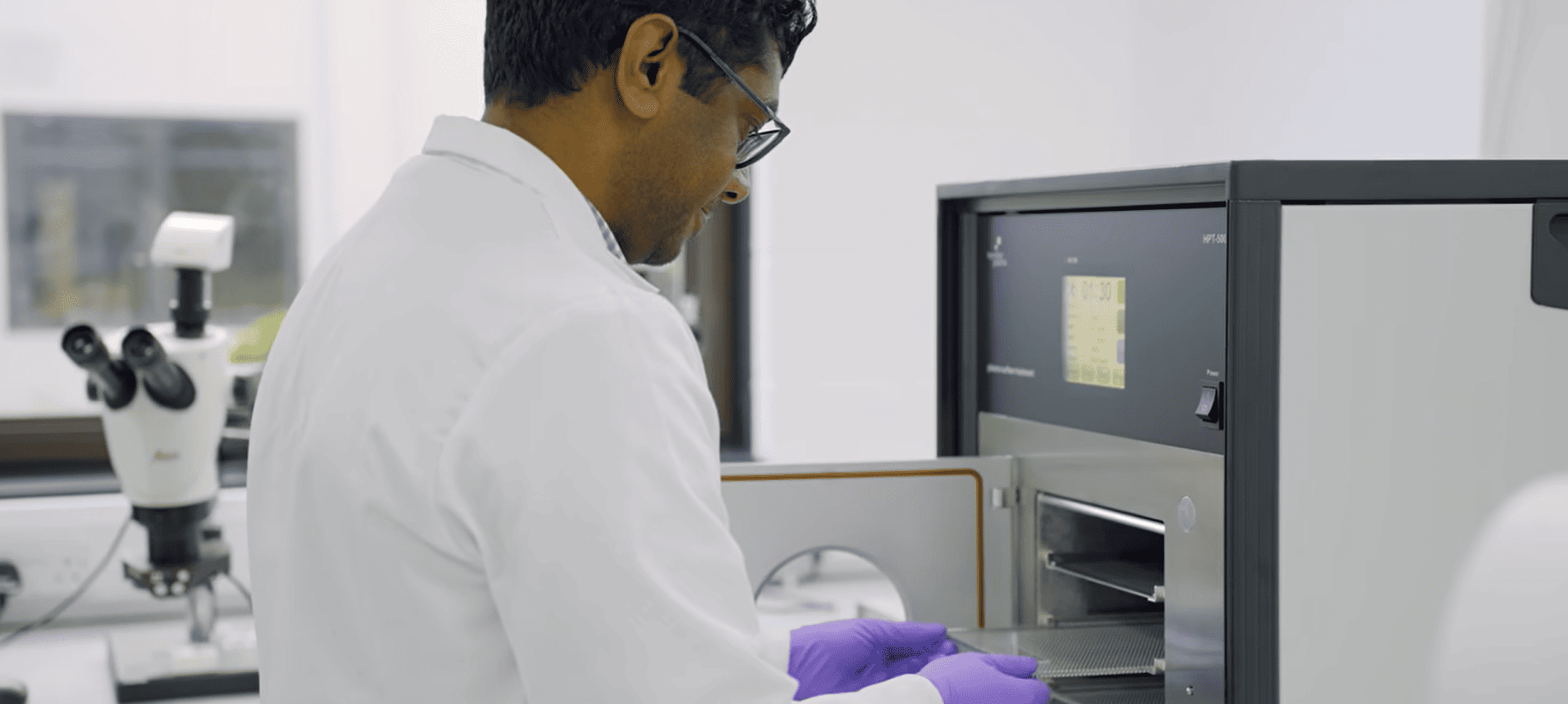
Plasma Surface Activation Explained
Plasma Surface Activation Explained.
The fourth in our series of videos about plasma treatment technology, this video explains how plasma surface activation works and the results you can achieve.
Henniker Plasma: Atmospheric plasma treatment in the Automotive Industry
The Henniker Cirrus Atmospheric Plasma System displays localized plasma cleaning to give improved adhesion in the automotive industry. The surface is cleaned prior to the glueing step, in order to ensure a failure-free bond.