Plasma treatment of plastics to improve adhesion is a two-fold surface activation and cleaning process.
In the first instance, the plasma treating the plastic cleans away volatile organic compounds that otherwise impede bonding, painting and gluing. Secondly, plasma surface activation creates a hydrophilic surface which is totally wettable to adhesives, paint, lacquers etc. The bonds formed are extremely strong so that adhesions onto plasma-treated surfaces are extremely durable. On many materials, the treatment can last for several months if stored in a dust-free environment.

Plasma Treatment of Plastics
- Increase surface wettability
- Improve printing and bonding characteristics
- Low friction plasma coatings on seals and o-rings
Related Industries



Relevant Resources
Knowledge Articles


Plasma Technology


Case Studies



Videos
Henniker Plasma - Atmospheric Plasma Robot
Atmospheric plasma treatment is ideal for in-line processing & very effective at activating and cleaning the surface of a material, increasing the adhesion characteristics and making it easier to bond, paint and glue. Henniker's atmospheric plasma surface treatment systems can be integrated with a 3-axis robot to follow precise treatment patterns as part of an automated process..
Plasma Surface Activation Explained
Plasma Surface Activation Explained.
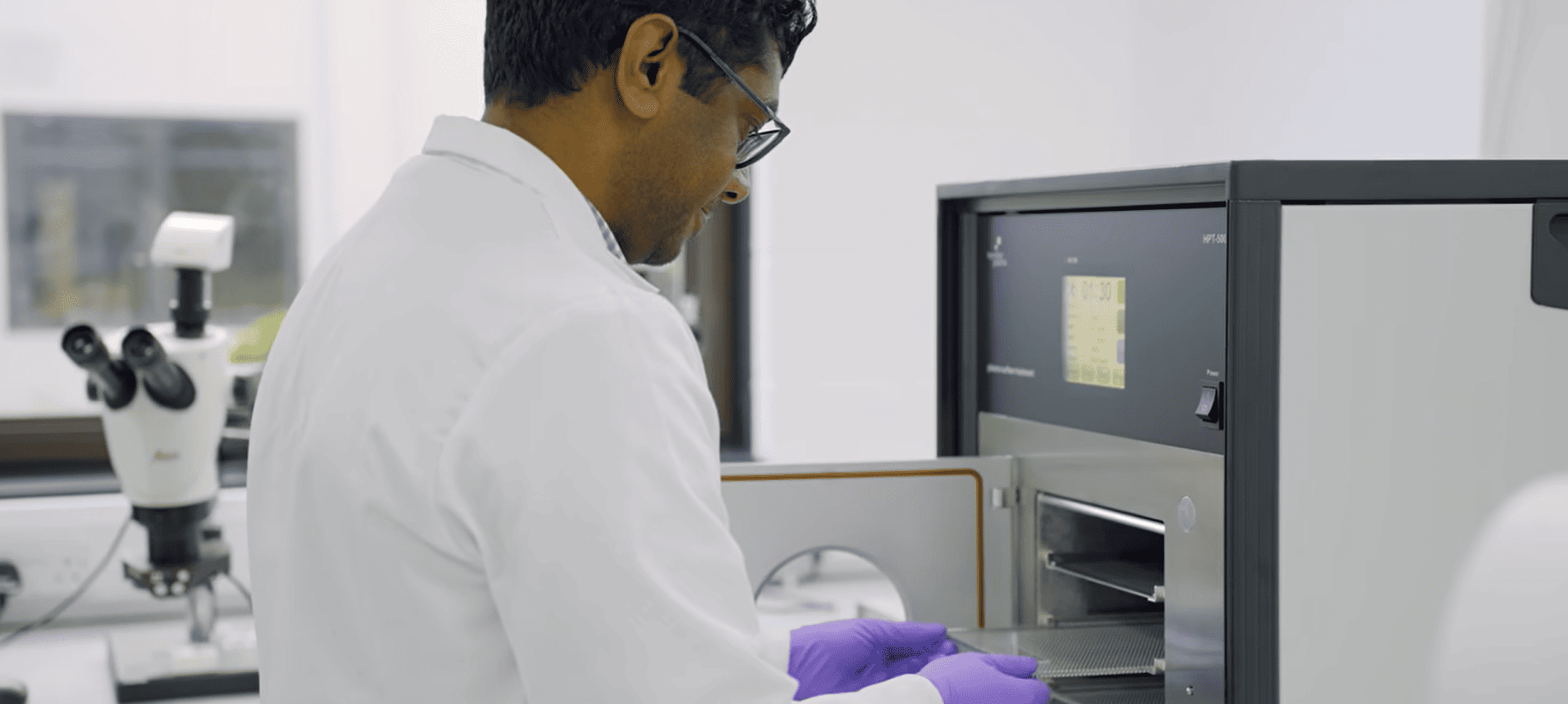
The fourth in our series of videos about plasma treatment technology, this video explains how plasma surface activation works and the results you can achieve.
Adhesion Grid Cut Test
The adhesion grid cut test is used to demonstrate the improvement in paint adhesion following plasma treatment.