Plasma surface activation of materials prior to gluing is one of the most common uses of plasma. The inherently ‘cold’ plasma process allows temperature-sensitive materials to be treated as equally as well as metals, glass and ceramics.
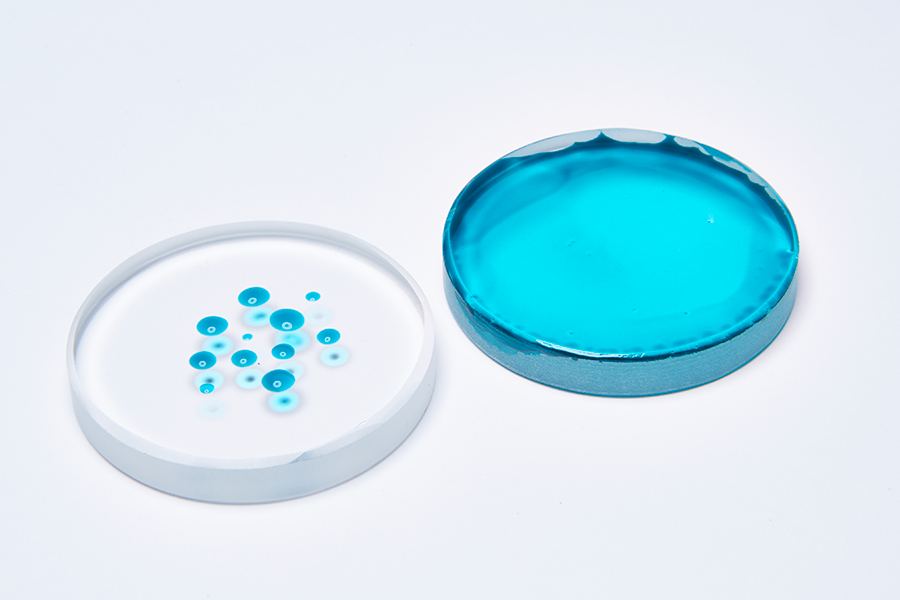
In each case the action of the plasma is two-fold; removal of organic contamination from the surface followed by increased wettability of the surface. Plasma processing does not affect the bulk properties of a material in any way. The increased surface energy results in a significantly stronger bond of most materials with many adhesives. We also offer a wide range of surface test methods for comparison of pre- and post-plasma treated parts.
Plasma Treatment Prior to Gluing
- Plasma removes organic contamination from the surface
- Plasma surface activation makes the surface more wettable
- Typically 2-fold to a 10-fold improvement in lap-shear strength and peel-strength
- Adhesion to polymers, glass, ceramics and metal are all improved
Related Industries



Relevant Resources
Knowledge Articles


Plasma Technology


Case Studies



Videos
Henniker Plasma - Atmospheric Plasma Robot
Atmospheric plasma treatment is ideal for in-line processing & very effective at activating and cleaning the surface of a material, increasing the adhesion characteristics and making it easier to bond, paint and glue. Henniker's atmospheric plasma surface treatment systems can be integrated with a 3-axis robot to follow precise treatment patterns as part of an automated process..
Plasma Surface Activation Explained
Plasma Surface Activation Explained.
The fourth in our series of videos about plasma treatment technology, this video explains how plasma surface activation works and the results you can achieve.
Henniker Plasma Treatment to Improve Adhesion
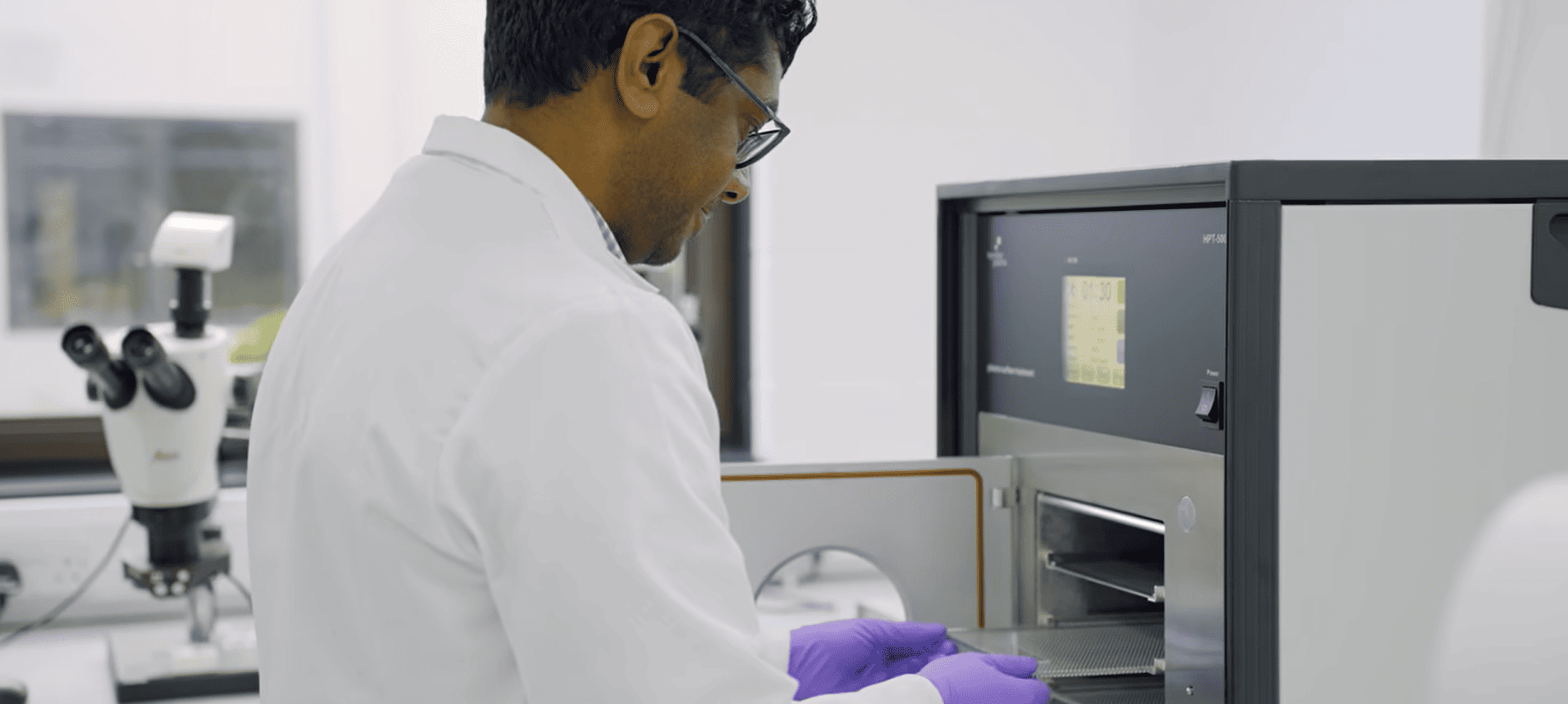
Henniker Plasma demonstrates how easy it is to use the HPT system to plasma treat an inherently difficult to bond to the surface to improve adhesion and wettability characteristics.